B2B - Enterprise - System Thinking
Authentication Engine


Timeline
From explorations to final designs in 3 weeks while working with multiple projects at the same time
Background
AuthEngine is a configuration driven authentication framework that redefines enterprise login from a hard coded UI into a system of reusable, composable objects, letting operators configure multi role, multi credential flows in few hours, without engineering efforts.
The approachs taken during the project, including research, planning, design, testing, and optimization phases.
Research & Planning
Conducted a quantitative audit across Tier 1 enterprise clients to map authentication patterns, user personas, and compliance constraints. Used stakeholder mapping and 5 Whys analysis to diagnose root causes, then defined core objects, states, and guardrails.
Design & Prototyping
Modeled login as three reusable objects: Module, Auth Method, and Reference Variable and designed a twin-view framework showing admin configuration and runtime output side by side. Iterated with PM and engineering on states, guardrails, and edge cases to make every configuration safe by design.
Testing & Optimization
Ran configuration walkthroughs with customer success and engineering across real client scenarios KLI, ABSLI, and LIC to validate that multi-role, multi-credential flows held up end to end, ensuring zero production-breaking configurations shipped.
The resulting authentication framework offers a seamless configuration experience, allowing Customer Success team to effortlessly set up multi-role, multi-credential login flows for any enterprise client.
Safeguarded
Designed a twin-view framework showing admin input and runtime output side by side. Built-in guardrails block invalid configurations before publish.
Modeled
Reframed login as three reusable objects: Module, Auth Method, and Reference Variable. Each object owns one job, interaction, validation, or identity.
Configured
Three login states (Default, Role Selection, Guest/Conditional) with option to on/off states. Covered every enterprise scenario. Client Onboarding Team switch between them through configuration alone, with no engineering involvement.
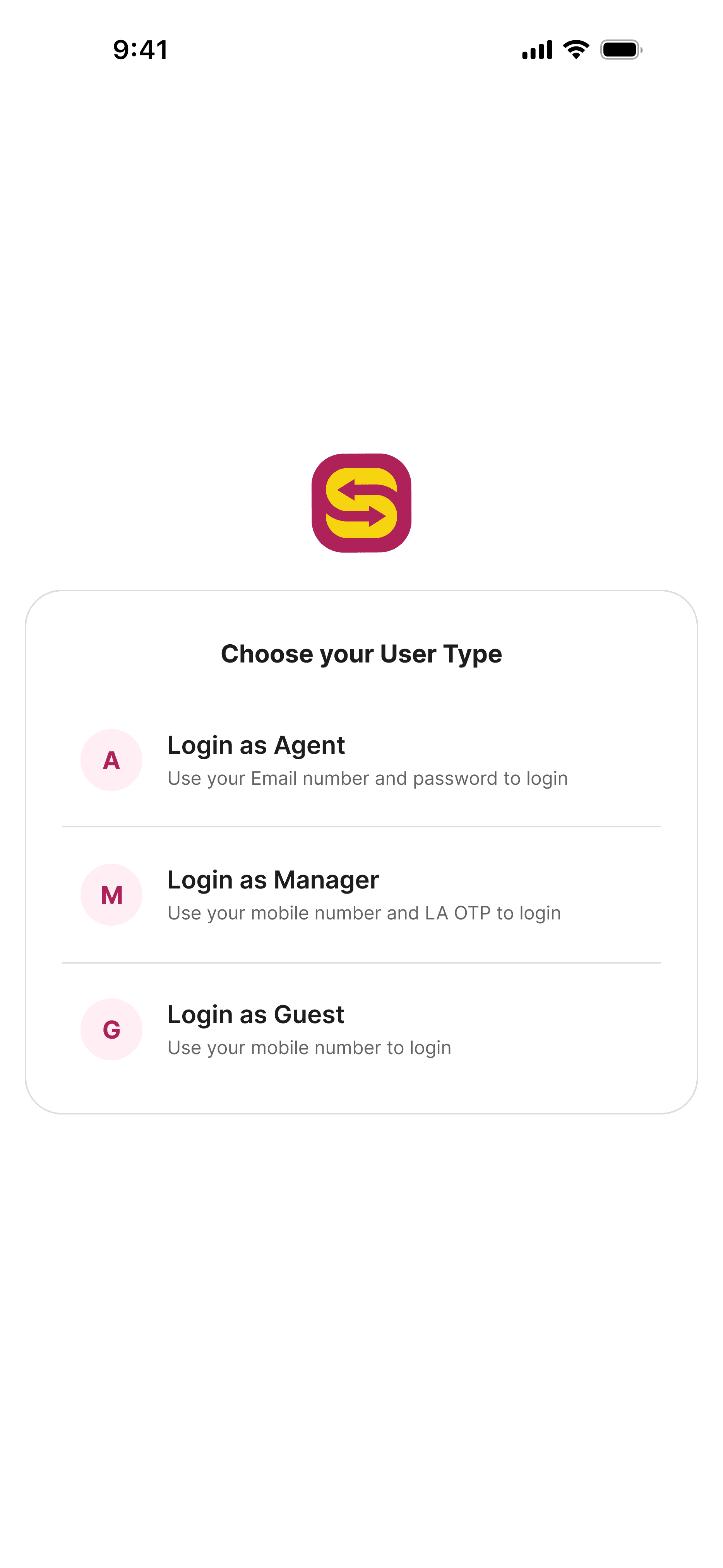

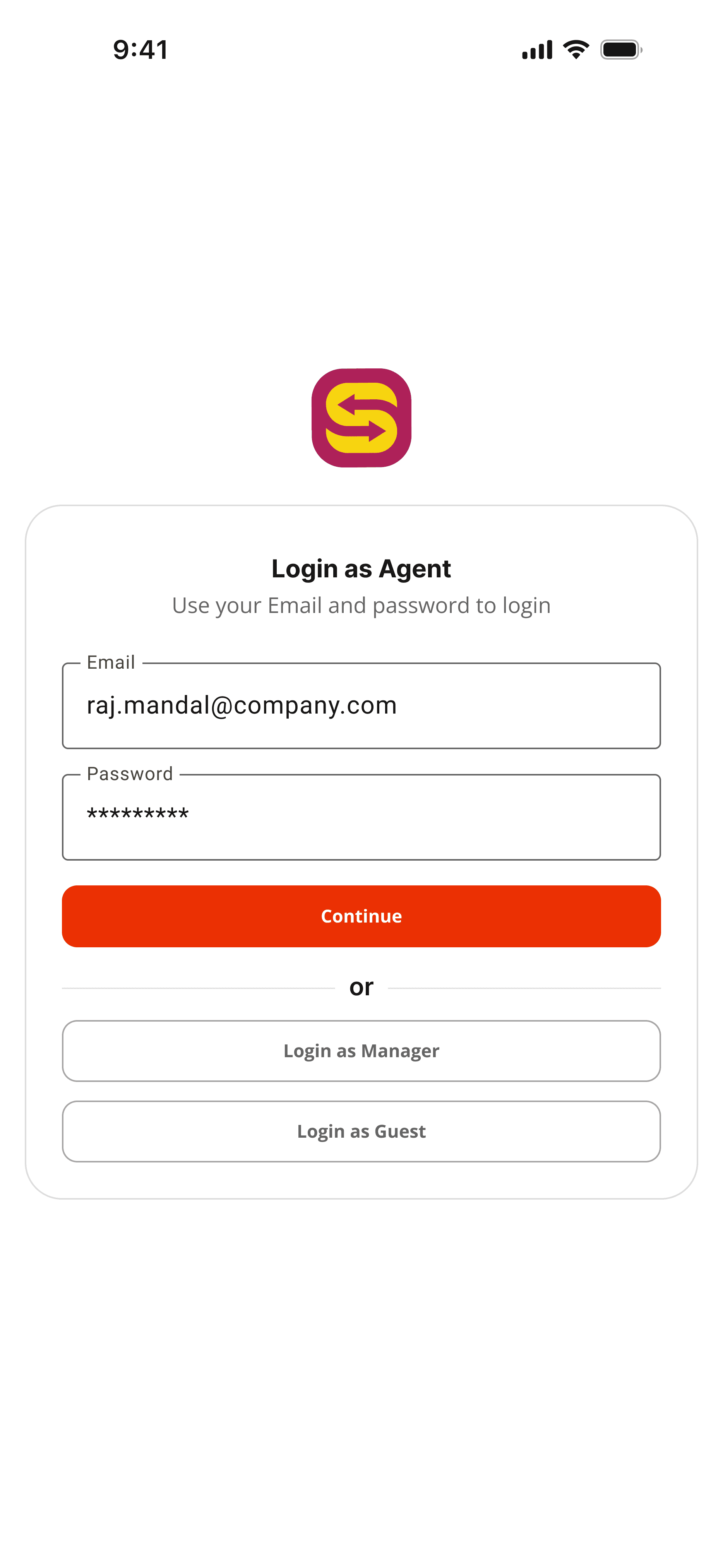
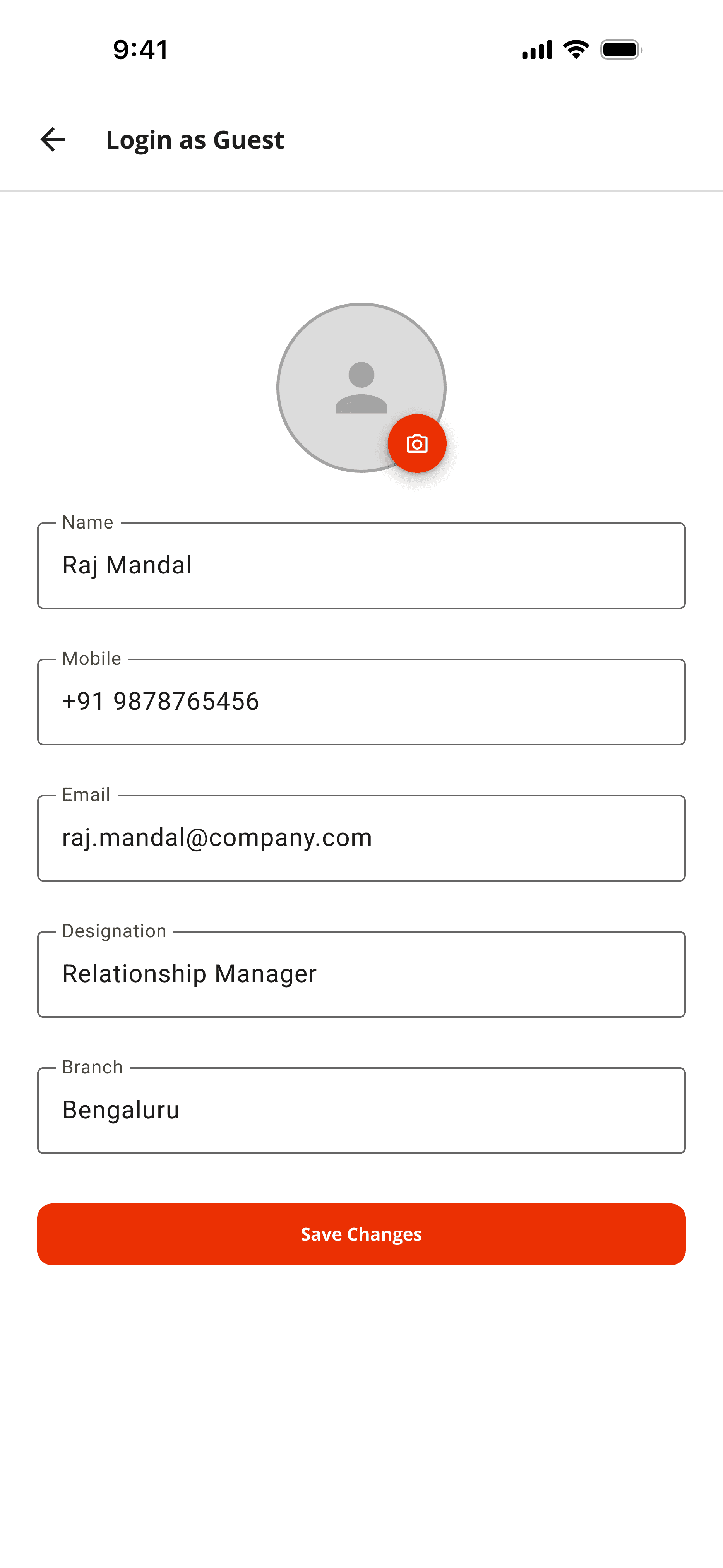
Here, the outcomes and achievements of the project are highlighted, including operational gains, stakeholder feedback, and business impact.
Faster Onboarding
Per-client login setup dropped from 7 days to minutes, eliminating 14 days of go live delay and saving 80%+ of engineering hours per deal.
Operator Confidence
Onboarding teams now configure multi-role, multi-credential flows independently, with zero production breaking configurations during the entire pilot.
Scalable Growth
Engineering signed off on the framework as buildable and safe at scale, decoupling revenue growth from headcount and turning login from a service bottleneck into a configurable product surface.